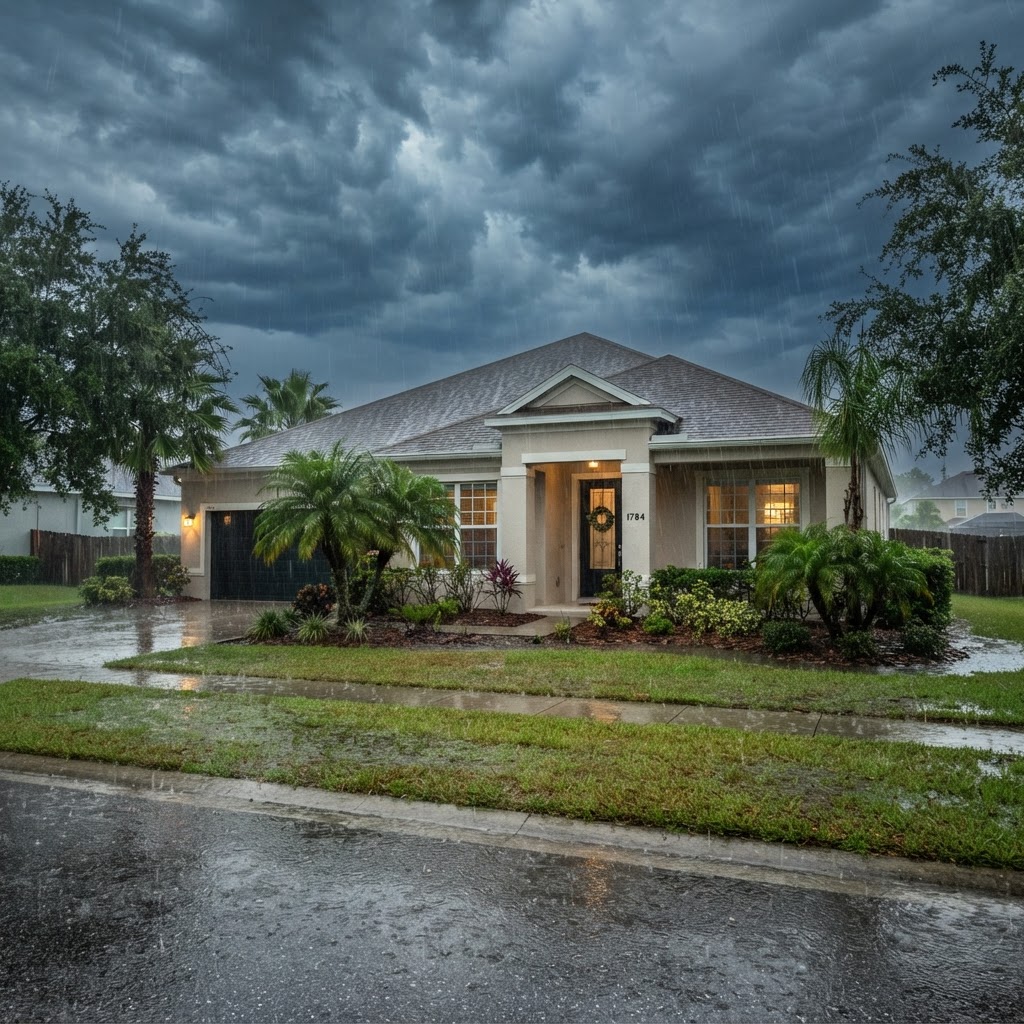
Peak Hurricane Mold Risks: Tips for Cape Coral Homeowners
August and September bring peak hurricane risks to Southwest Florida. Learn how to protect your home from mold growth during storm season.
August and September: Why Southwest Florida Homes are at Risk
As we enter the peak of the 2026 Atlantic hurricane season, residents across Cape Coral, Fort Myers, and Naples know all too well that August and September bring more than just humidity. The combination of intense tropical rain, high dew points, and the ever-present threat of storm surge creates the perfect environment for mold. For many homeowners in Lee County, moisture is the silent enemy that can lead to rapid indoor air quality deterioration if left unaddressed.
The Science of Humidity and Mold Growth
Mold spores are naturally present in the outdoor environment. However, when the interior relative humidity of your home exceeds 60% for an extended period, these spores can begin to colonize building materials like drywall, insulation, and carpet. In Southwest Florida, our cooling systems are working overtime right now to battle the heat, but if your home has hidden leaks or poor ventilation, the mold can take hold in as little as 24 to 48 hours.
Proactive Steps for Cape Coral Homeowners
To keep your property safe during these high-risk months, follow these essential maintenance tips:
- Monitor Indoor Humidity: Invest in a digital hygrometer. Aim to keep your indoor humidity between 30% and 50%.
- Inspect Your Roof and Windows: Check for any signs of water intrusion after every heavy thunderstorm. Even small roof leaks can provide the moisture necessary for attic mold growth.
- Optimize HVAC Performance: Change your air filters monthly during peak season to ensure proper airflow and dehumidification.
- Clear Exterior Debris: Ensure that your gutters and downspouts are clear, directing water at least five feet away from your home's foundation.
- Check Vulnerable Areas: Regularly inspect under kitchen sinks, behind bathroom vanities, and in closets for musty odors or damp spots.
What to Do If You Find Mold
If you discover mold growth in your home, it is crucial to remain calm but act quickly. Many homeowners attempt DIY mold removal, but without professional-grade equipment, this can inadvertently spread spores to other areas of the house. In Southwest Florida, where the climate is inherently conducive to fungal growth, thorough remediation often requires professional expertise.
Professional Remediation: Why Certification Matters
At 911 Mold Medic, we believe in a scientific approach to remediation. Being IICRC-certified means we follow rigorous industry standards for containment, removal, and air purification. Whether you live in a coastal property in Naples or a residential neighborhood in Cape Coral, our team understands the unique challenges of the Florida climate. We focus on identifying the moisture source first, ensuring that once the mold is gone, it stays gone.
Don't Wait for the Next Storm
If you notice signs of water damage, high humidity, or a persistent moldy smell, do not wait for the next storm to exacerbate the problem. Protecting your home during peak hurricane season is about diligence and knowing when to call in the experts. If you are concerned about potential mold growth in your home, contact the professionals at 911 Mold Medic today at (844) 393-2902. We are here to help keep your home safe and healthy throughout the remainder of the 2026 hurricane season.
Related Services
Need Professional Mold Removal in Cape Coral?
Our IICRC certified mold remediation experts are available 24/7 for inspections, removal, and prevention throughout Cape Coral, Fort Myers, and all of Lee County.

