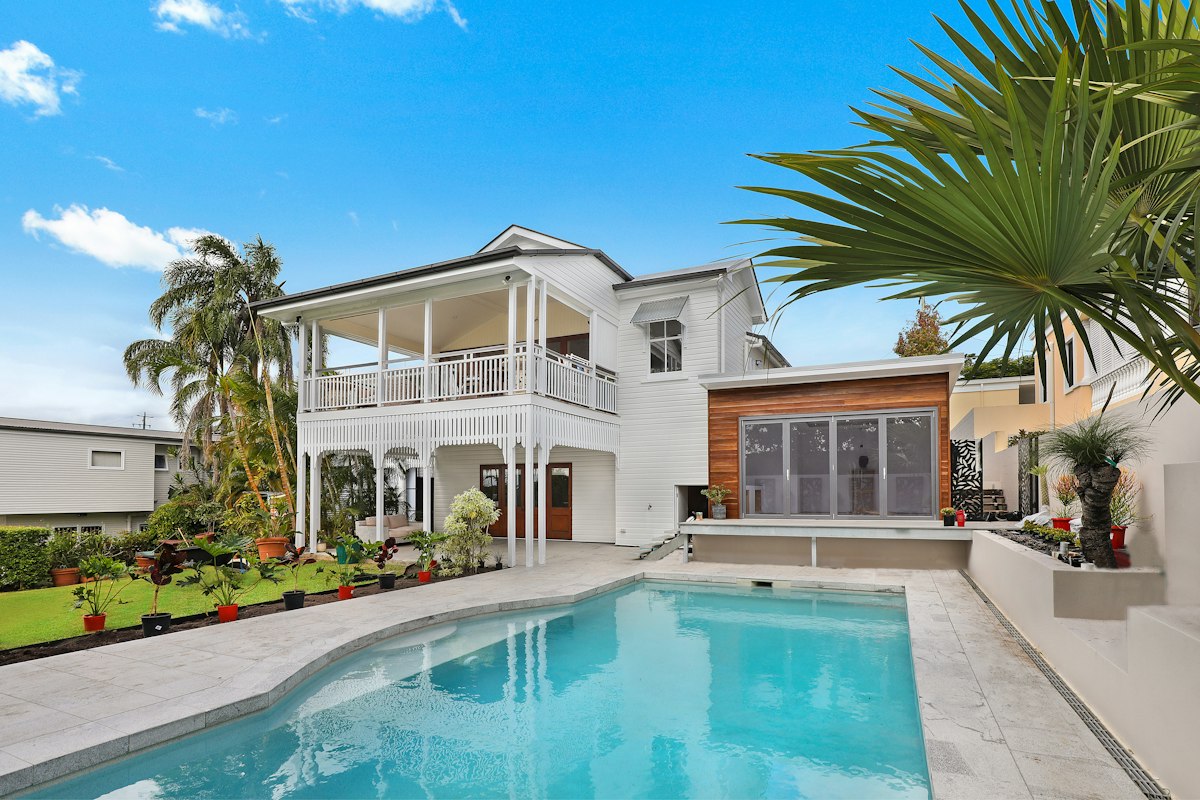
New Construction Mold: Why Coral Oaks Homes Need Pre-Occupancy Air Quality Inspections
New doesn't mean mold-free. Coral Oaks homes face mold risks from construction moisture, golf course irrigation, and flashing failures. Learn why pre-occupancy inspections are essential.
New Construction Mold: Why Coral Oaks Homes Need Pre-Occupancy Air Quality Inspections
Coral Oaks is one of NW Cape Coral's most desirable communities — spacious homes, the Coral Oaks Golf Course, and modern construction that promises a fresh start. Many buyers assume that a brand-new home means a mold-free home. Unfortunately, in Cape Coral's climate, that assumption can be costly.
New construction in Coral Oaks faces a perfect storm of mold risk factors: construction-phase moisture trapping, golf course irrigation raising local humidity, and the simple fact that Florida's climate doesn't forgive building shortcuts. We've found mold in Coral Oaks homes before the first furniture was moved in.
Here's why new doesn't mean safe — and what every Coral Oaks homebuyer should do before moving in.
How Brand-New Homes Get Mold
1. Construction Moisture Trapping
Building a home in Cape Coral means working in 85–90°F heat with 75–85% humidity. During construction, wood framing, drywall, and insulation absorb moisture from the air. If the builder doesn't allow adequate drying time between construction phases — or if materials are stored outdoors — that moisture gets sealed inside wall cavities when drywall goes up.
In Cape Coral's climate, trapped construction moisture doesn't just dry out on its own. Instead, it creates ideal conditions for mold to colonize inside wall cavities — invisible to the homeowner, but actively growing behind the fresh paint.
Studies of new Florida construction show that improperly dried framing can develop mold within 2–3 weeks of being enclosed. By the time you move in, the colony may already be established.
2. Window and Roof Flashing Failures
New homes in Coral Oaks frequently show moisture intrusion from improper window and roof flashing. Flashing is the thin material installed around windows, doors, and roof penetrations to direct water away from vulnerable areas. When it's installed incorrectly — or with inadequate overlap — water enters the wall cavity during rain.
The problem is especially common in rapid-build construction, where speed is prioritized over meticulous weatherproofing. In Coral Oaks, where many homes are built in active construction phases, adjacent lots may also be generating dust and debris that compromise flashing seals.
3. Golf Course Irrigation Humidity
Living near Coral Oaks Golf Course means your home is surrounded by irrigated greenery year-round. Golf course irrigation systems keep surrounding soil consistently moist, raising local humidity above what you'd find in a non-golf-course neighborhood.
This persistent ground moisture affects homes adjacent to the course in two ways:
- Slab and foundation moisture — water-saturated soil around your foundation drives moisture up through concrete slabs
- Exterior wall humidity — consistently moist soil and vegetation against exterior walls creates favorable conditions for surface mold
4. Undeveloped Adjacent Parcels
Coral Oaks is still growing. Many homes border undeveloped parcels of natural Florida land. These natural areas contribute to elevated ambient mold spore counts — native vegetation, decaying organic matter, and undisturbed soil all produce mold spores that drift toward developed lots.
Homes bordering undeveloped land typically need better air filtration and more frequent spore monitoring than homes in fully developed neighborhoods.
The Indoor Air Quality Risks of New Home Mold
Mold in a new home is particularly insidious for air quality because:
- HVAC systems are pristine — when mold colonizes a new HVAC system, it has clean ductwork to spread through, meaning spores distribute efficiently to every room
- Tight building envelopes — newer homes are built to be energy-efficient with minimal air leakage, which means any indoor moisture or mold stays trapped inside longer
- New materials off-gas VOCs — new paint, cabinetry, flooring, and adhesives release volatile organic compounds (VOCs) that can compound respiratory irritation alongside mold exposure
- Homeowners don't suspect it — because the home is new, musty smells are often attributed to "new house smell" or construction materials, delaying investigation
If you've recently moved into a new Coral Oaks home and notice persistent musty odors, unexplained allergy symptoms, or high indoor humidity, do not assume it's just the house settling in. These are red flags that warrant professional investigation.
5 Essential Steps for New Coral Oaks Homeowners
1. Get a Pre-Occupancy Mold Inspection
Before you move in — or as soon as possible after — schedule a professional pre-occupancy mold inspection. This should include:
- Thermal imaging of all exterior walls to detect trapped moisture
- Moisture meter readings on drywall, framing, and slab
- Air sampling to establish a baseline spore count
- Visual inspection of HVAC components, ductwork interiors, and attic spaces
- Window and door flashing inspection for proper installation
This inspection gives you documentation of your home's condition at move-in — critical for builder warranty claims if problems develop later.
2. Test Indoor Air Quality
A comprehensive air quality test measures:
- Total mold spore counts (indoor vs. outdoor comparison)
- Specific mold species identification
- VOC levels from new building materials
- Humidity and temperature mapping across rooms
- Dust and particulate counts
This baseline is invaluable. If you develop air quality issues later, you'll know whether they existed at move-in or developed afterward.
3. Monitor Humidity from Day One
Install hygrometers in multiple rooms and check them weekly. In a new Coral Oaks home, indoor humidity should stay between 45–50%. If readings consistently exceed 55% despite AC running, you may have:
- An undersized or inefficient HVAC system
- Hidden moisture in wall cavities from construction
- A foundation moisture issue from golf course irrigation
- Inadequate vapor barriers in slab or walls
4. Inspect Window and Door Flashing
After the first heavy rain in your new home, check all windows and exterior doors for:
- Water stains on drywall around frames
- Moisture on window sills or tracks
- Soft or bubbling paint near window corners
- Musty smells near specific windows
If you notice any of these, contact your builder immediately — flashing failures are a warranty issue, but the mold they cause is your problem if not addressed promptly.
5. Upgrade Your Air Filtration
New Coral Oaks homes near the golf course or undeveloped land benefit from upgraded filtration:
- MERV 13 HVAC filters — capture mold spores, pollen, and fine particulates
- Whole-home air purifier with UV-C — kills mold spores and bacteria at the HVAC coil
- Standalone HEPA purifier in bedrooms — provides extra protection during sleeping hours
What to Do If You Find Mold in a New Home
If your pre-occupancy inspection or early monitoring reveals mold in your new Coral Oaks home:
- Document everything — photos, moisture readings, air quality test results
- Contact your builder in writing immediately — most new home warranties cover construction defects that cause moisture intrusion
- Do not attempt DIY removal — disturbing mold in wall cavities can release millions of spores into your HVAC system
- Call 911 Mold Medic at (844) 393-2902 — we provide IICRC-certified remediation that works alongside your builder's warranty process
- Re-test after remediation — always verify with post-remediation air sampling that the problem is fully resolved
Don't Assume New Means Clean
We've found extensive mold colonies in Coral Oaks homes that were less than 6 months old. Construction moisture, flashing failures, and golf course humidity don't care that your home is new — they create mold conditions regardless.
A pre-occupancy inspection costs a fraction of what remediation costs. It protects your investment, your air quality, and your family's health. If you're buying or have recently bought a new home in Coral Oaks, call (844) 393-2902 to schedule your inspection today.
Related Services
Need Professional Mold Removal in Cape Coral?
Our IICRC certified mold remediation experts are available 24/7 for inspections, removal, and prevention throughout Cape Coral, Fort Myers, and all of Lee County.

