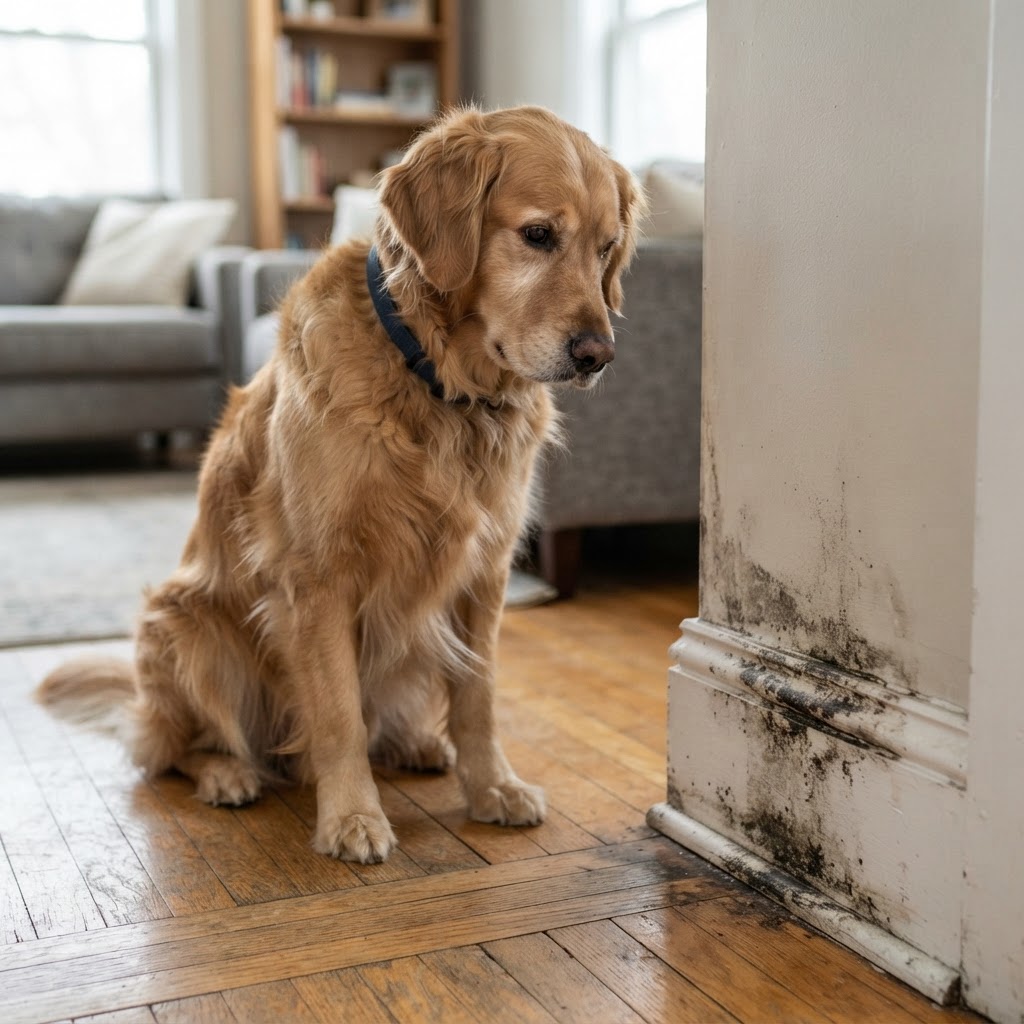
Is Mold Making Your Pet Sick? What Cape Coral Pet Owners Need to Know
Mold doesn't just affect humans. Discover how mold impacts dogs, cats, and other pets, what symptoms to watch for, and how to protect your furry family members.
Is Mold Making Your Pet Sick? What Cape Coral Pet Owners Need to Know
When Cape Coral homeowners find mold, they worry about their family's health first. But mold exposure affects pets too, and often more severely. Dogs and cats have smaller bodies, faster respiratory rates, and spend their lives closer to the floor, where mold spores settle.
Here's what every pet owner in Southwest Florida needs to know about mold and pet health.
Why Pets Are More Vulnerable to Mold
Several factors make pets more susceptible to mold-related health problems than humans:
- Closer to the ground: Mold spores are heavier than air and settle near floor level, where pets breathe and sleep.
- Smaller lungs: A pet's respiratory system processes a higher concentration of spores per pound of body weight.
- Grooming behavior: Cats and dogs lick their fur, ingesting mold spores that have settled on their coats.
- More time at home: Pets spend nearly 24 hours a day indoors, meaning constant exposure if mold is present.
- Weaker immune response: Many pets, especially older ones, have less robust immune systems than their owners.
Signs Your Pet May Be Affected by Mold
Respiratory Symptoms in Dogs
- Persistent coughing or wheezing
- Sneezing fits, especially after being in certain rooms
- Labored or rapid breathing
- Nasal discharge that doesn't resolve
- Reduced energy or exercise intolerance
Respiratory Symptoms in Cats
- Open-mouth breathing (a veterinary emergency)
- Wheezing or coughing
- Frequent sneezing
- Decreased grooming behavior
- Hiding more than usual
Skin and Coat Issues
- Itchy, red, or flaky skin that doesn't respond to typical treatments
- Hair loss or thinning coat
- Hot spots or persistent licking of paws and belly
- Recurrent ear infections
- Skin rashes that recur after treatment
Gastrointestinal Symptoms
- Unexplained vomiting
- Diarrhea that comes and goes
- Loss of appetite
- Weight loss without obvious cause
If your pet shows any of these symptoms and you've noticed musty odors, water stains, or visible mold in your home, mold exposure could be the underlying cause.
Common Mold Sources That Affect Pets
Pet Bedding and Crates
Pet beds are often placed in damp areas like garages, laundry rooms, or screened patios. Moisture from the floor wicks up into bedding materials, and mold grows inside the foam and fabric. Pets then breathe those spores for hours each day.
Solution: Wash pet bedding weekly in hot water. Replace foam beds every 6-12 months. Elevate beds off concrete or tile floors. Never place beds in areas with visible moisture.
HVAC Systems
In Cape Coral homes, the AC runs most of the year. If your HVAC system has mold in the ducts or evaporator coil, it distributes spores to every room. Pets on the floor receive the highest concentration.
Solution: Change AC filters monthly. Have your HVAC system professionally inspected and cleaned annually. Use HEPA air purifiers in rooms where your pets spend the most time.
Under Furniture and in Carpets
Mold spores settle into carpet fibers and under heavy furniture where vacuuming doesn't reach. Pets that sleep on carpets or under beds inhale those concentrated spores.
Solution: Vacuum under furniture weekly. Consider replacing carpet in high-moisture areas with hard flooring. Use a vacuum with a HEPA filter to avoid redistributing spores.
Garage and Outdoor Areas
Many Cape Coral homes have pets that spend time in garages or lanais. These areas often have poor ventilation and high humidity, creating ideal mold conditions.
Solution: Don't let pets sleep in garages or on screened patios overnight. Monitor humidity in these spaces and use a dehumidifier if needed.
Dangerous Mold Types for Pets
Aspergillus: Common in Florida homes, this mold can cause fungal infections in dogs' nasal passages. Symptoms include nasal swelling, bleeding, and discharge. Brachycephalic breeds like pugs and bulldogs are particularly susceptible.
Stachybotrys (black mold): Can cause severe respiratory distress, neurological symptoms, and immune suppression in pets. Cats are especially sensitive to black mold toxins.
Cladosporium: Grows on fabrics, wood, and HVAC vents. Causes skin irritation and allergic reactions in pets.
What to Do If You Suspect Mold Is Making Your Pet Sick
-
Take your pet to the vet immediately. Tell your veterinarian about any mold in your home. Mold-related illness is often misdiagnosed as allergies or infections.
-
Remove your pet from the affected area. Move them to a clean, dry room or stay with a friend until the mold is addressed.
-
Clean your pet's belongings. Wash all bedding, toys, and soft items. Discard items that smell musty even after washing.
-
Schedule a professional mold inspection. Free inspections from 911 Mold Medic identify hidden mold that your pet may be reacting to before it becomes visible.
-
Don't attempt DIY removal with pets present. Bleach and other chemicals can be toxic to animals. Professional remediation uses pet-safe antimicrobial treatments.
Protecting Your Pets After Remediation
Once mold is professionally removed, take these steps to keep your pets healthy:
- Run a HEPA air purifier in rooms where your pet sleeps
- Keep indoor humidity below 55%
- Wash pet bedding weekly
- Inspect under furniture and in corners monthly
- Replace HVAC filters monthly during humid months
Your pets can't tell you when something in your home is making them sick. If you notice behavioral changes, respiratory issues, or skin problems that won't go away, mold could be the culprit hiding in plain sight.
911 Mold Medic provides free mold inspections for Cape Coral pet owners. Our IICRC-certified team uses pet-safe remediation methods that protect every member of your family. Call (844) 393-2902 to schedule your free inspection today.
Related Services
Need Professional Mold Removal in Cape Coral?
Our IICRC certified mold remediation experts are available 24/7 for inspections, removal, and prevention throughout Cape Coral, Fort Myers, and all of Lee County.

