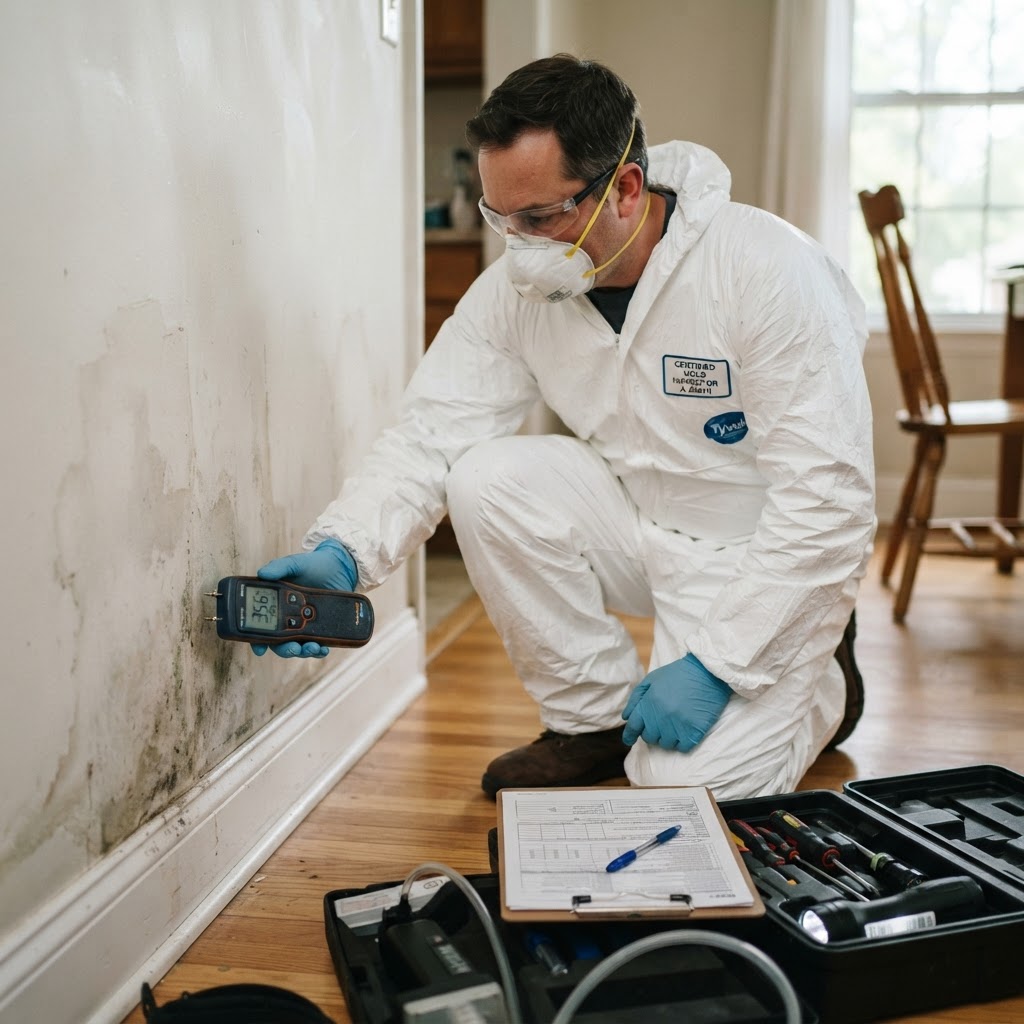
Mold Inspection Checklist: A Southwest Florida Homeowner Guide
Learn what experts look for during a mold inspection in Florida. Our guide helps you protect your home during the peak 2026 Atlantic hurricane season.
Understanding the Mold Risk in Southwest Florida
As we navigate the peak of the 2026 Atlantic hurricane season, residents across Cape Coral, Fort Myers, and Naples know all too well that high humidity and storm-related moisture are constant threats. In Southwest Florida, mold isn't just an inconvenience; it’s a structural hazard that can thrive within 24 to 48 hours of water intrusion. Whether you are prepping for a potential storm or noticing a musty odor, understanding the professional mold inspection process is essential.
The Certified Mold Inspection Checklist
At 911 Mold Medic, our IICRC-certified inspectors follow a rigorous, standardized process to identify hidden threats. Here is exactly what we look for when inspecting a home in Lee County:
1. Exterior Perimeter Assessment
- Roof and Soffits: We look for damaged shingles or blocked soffit vents that lead to attic humidity.
- Grading and Drainage: We inspect how rainwater moves away from your foundation. Improper grading is a leading cause of basement or crawlspace dampness.
- Vegetation: Overgrown landscaping against siding can trap moisture and allow mold spores to migrate indoors.
2. Moisture Mapping and Humidity Levels
- Thermal Imaging: We use infrared cameras to detect temperature differences in walls, which often indicate hidden moisture pockets or active leaks behind finished surfaces.
- Hygrometer Readings: We monitor relative humidity (RH). In Florida, indoor humidity levels should ideally be maintained between 40-50% to prevent fungal growth.
3. HVAC and Air Quality Inspection
- Ductwork Integrity: Central air is the lungs of your home. We check for condensation buildup on coils and mold growth within the blower unit, which can distribute spores throughout your living space.
- Filter Assessment: Clogged filters restrict airflow, leading to increased moisture buildup in the system.
4. Interior High-Risk Areas
- Under-Sink and Cabinetry: We look for slow leaks under kitchen and bathroom sinks that often go unnoticed for months.
- Attics and Crawlspaces: These are the most common breeding grounds. We check for roof leaks, condensation on rafters, and adequate insulation performance.
- Window Frames and Sills: Hurricane-rated windows are great, but faulty seals can allow moisture to penetrate during wind-driven rain events common in Fort Myers and Naples.
Why Professional Expertise Matters in August
During hurricane season, your home’s envelope is tested daily. DIY solutions often fail because they treat the symptoms rather than the source. An IICRC-certified professional understands building biology—the way your home’s construction materials interact with our subtropical climate. Identifying mold is only half the battle; stopping the source of moisture is what prevents a recurring problem.
Protecting Your Lee County Home
Early detection saves thousands of dollars in remediation costs and protects your family’s respiratory health. If your home has been exposed to heavy rain, standing water, or you suspect hidden mold growth, do not wait. The humid conditions of August 2026 make rapid response critical to preventing structural damage.
Need a Professional Evaluation?
If you are concerned about potential mold growth in your home, rely on the experts at 911 Mold Medic. We provide comprehensive inspections and professional remediation services for residents across Cape Coral, Fort Myers, and the surrounding Southwest Florida communities.
Contact 911 Mold Medic today at (844) 393-2902 to schedule your certified inspection and ensure your home stays dry and safe this season.
Related Services
Need Professional Mold Removal in Cape Coral?
Our IICRC certified mold remediation experts are available 24/7 for inspections, removal, and prevention throughout Cape Coral, Fort Myers, and all of Lee County.

