Health & Safety
Mold in Naples vs. Cape Coral: A SWFL Guide for Homeowners
Discover how Southwest Florida's unique microclimates influence mold growth in Cape Coral and Naples. Learn how to protect your home this hurricane season.
August 6, 20263 min readBy 911 Mold Medic Team
mold remediationcape coral moldnaples mold removallee county home safetyhurricane season moldindoor air qualitywater damage restoration
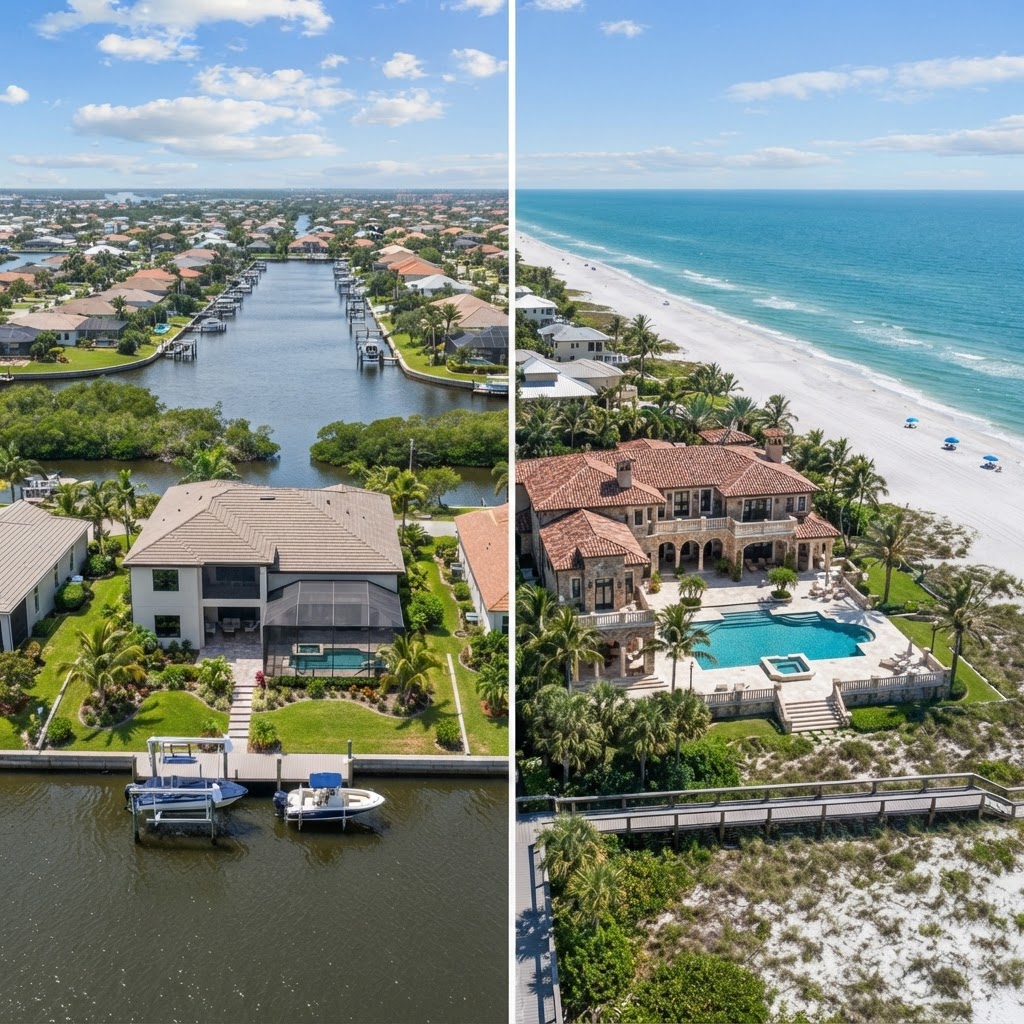
Understanding Mold Risks Across Southwest Florida As we navigate August 2026, Southwest Florida homeowners are once again contending with the peak of Atlantic hurricane season. Whether you reside in Cape Coral, Fort Myers, or Naples, the common denominator is our humid, subtropical climate. However, subtle microclimate differences between these areas can change how mold develops and thrives. Understanding these nuances is the first step in effective prevention. ## The Cape Coral Canal Factor Cape Coral presents a unique challenge due to its extensive canal system. The sheer volume of standing water throughout the city keeps local humidity levels consistently higher than in inland communities. This constant moisture saturation, combined with tropical storm surges, creates an ideal environment for mold spores to colonize. In the 'Waterfront Wonderland,' elevated humidity is a year-round reality that mandates vigilant indoor air quality management. ## The Naples Coastal Influence While Naples shares the same humidity profile, its proximity to the Gulf of Mexico and its specific elevation geography offer a different experience. Coastal Naples properties often face higher salinity in the air, which can accelerate the degradation of building materials. When structural integrity is compromised by salt spray, mold finds it easier to penetrate wall cavities. Furthermore, the lush, dense landscaping common in Naples neighborhoods can trap humidity near foundations, leading to hidden growth. ## Why Hurricane Season Heightens the Threat August brings increased rainfall and the constant threat of tropical systems. For Lee County and Collier County residents, the risks are clear: - Roof leaks after heavy winds - Flooding in low-lying garages - High ambient humidity triggering condensation - HVAC systems struggling to keep up with moisture loads Regardless of whether you live in a waterfront home in Cape Coral or a high-end estate in Naples, a moisture event must be addressed within 24 to 48 hours to prevent mold colony establishment. ## Localized Prevention Tips Regardless of your specific zip code in Southwest Florida, these professional strategies will help mitigate your risk: * Maintain your HVAC system: Ensure your units are dehumidifying properly, especially during August heat. * Monitor humidity: Keep indoor relative humidity below 60% using a digital hygrometer. * Inspect after storms: Check attic rafters and crawl spaces for any signs of water intrusion immediately following heavy rain. * Address leaks fast: Do not ignore a small roof stain; it is often the 'tip of the iceberg' for mold growth behind your drywall. ## Professional Remediation is Key Mold remediation is not a DIY task. IICRC-certified professionals understand how to safely contain spores, remove damaged materials, and restore your indoor air quality to healthy standards. Don't let mold compromise your family's health during this challenging season. If you suspect your home has been affected by water damage or mold growth, contact 911 Mold Medic today. Our team serves Cape Coral, Fort Myers, Naples, and the surrounding Lee County area with expert care. Call us at (844) 393-2902 for a professional assessment and peace of mind.
Related Services
Need Professional Mold Removal in Cape Coral?
Our IICRC certified mold remediation experts are available 24/7 for inspections, removal, and prevention throughout Cape Coral, Fort Myers, and all of Lee County.

