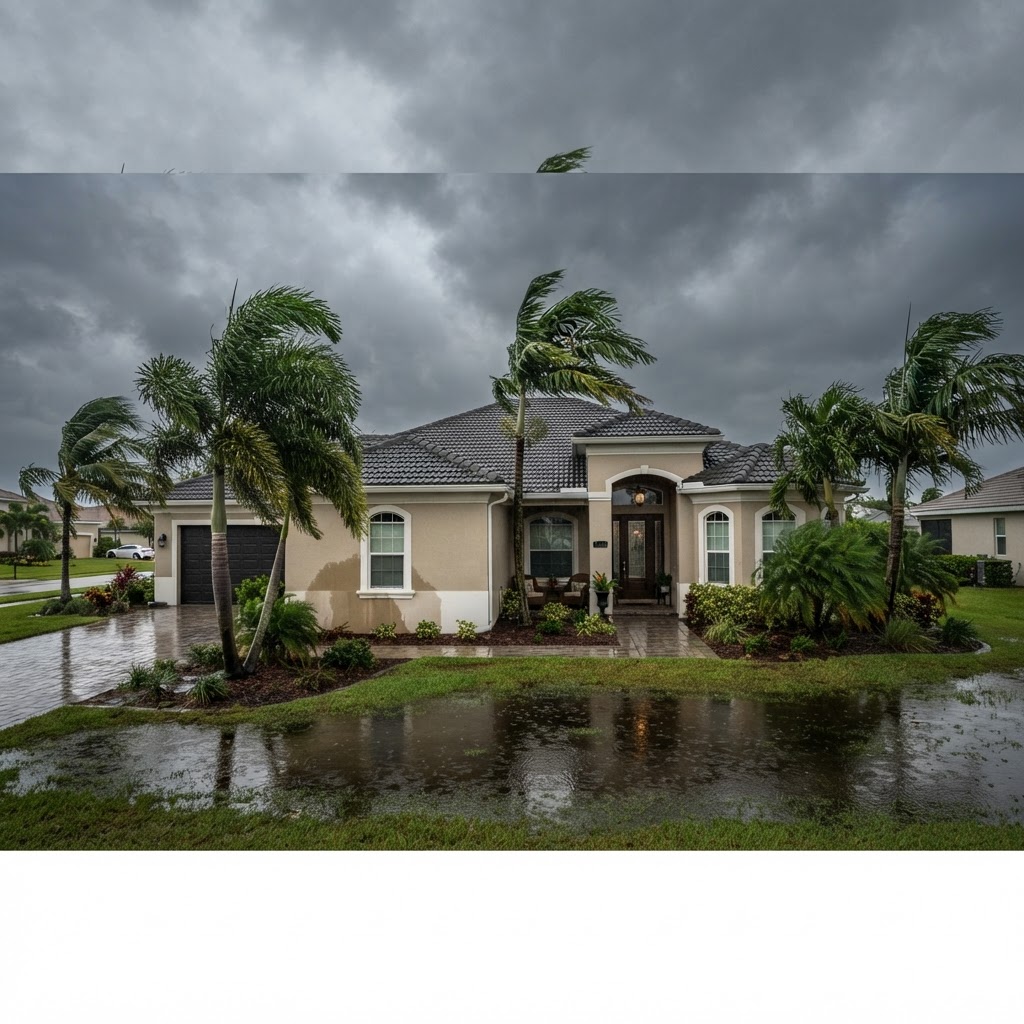
Late-Season Hurricane Mold Threats: What Southwest Florida Homeowners Must Know
As the 2026 Atlantic hurricane season peaks in late August and September, Southwest Florida homeowners face a surge in storm-driven mold growth. Learn the warning signs and how to protect your Cape Coral, Fort Myers, or Naples home.
Why Late August and September Are the Riskiest Months for Mold in Southwest Florida
As we move through the second half of August 2026, the Atlantic hurricane season is entering its historical peak. NOAA's seasonal outlooks consistently identify the period from mid-August through early October as the most active stretch for tropical development, and for homeowners in Cape Coral, Fort Myers, Naples, and the surrounding Lee and Collier County communities, that means one thing: a sharply elevated risk of storm-driven mold growth.
Mold does not wait. Once moisture enters your home—through a roof leak, a compromised window seal, a rising canal, or an overwhelmed HVAC drain line—colonies can begin forming in as little as 24 to 48 hours. The combination of late-summer heat, sustained high humidity, and repeated rainfall events creates the perfect incubator.
The Hidden Pathways Storm Moisture Takes Into Your Home
After a tropical system passes, most homeowners check the obvious: standing water, broken branches, visible roof damage. But the moisture that causes the most expensive mold problems often travels through pathways you cannot see:
- Wind-driven rain through roof penetrations — Even when shingles look intact from the ground, flashing around vents, skylights, and chimneys can lift during sustained tropical-storm-force winds, allowing water into the attic.
- Saturated exterior walls — Stucco and siding that stay wet for days after a storm wick moisture into wall cavities, feeding hidden colonies behind drywall.
- HVAC condensation overload — When power is restored after an outage, air conditioners run continuously to catch up, and clogged drain lines or dirty coils can dump gallons of water into ceilings or crawlspaces.
- Canal and storm-surge backflow — Cape Coral's extensive canal network can rise during heavy events, pushing moisture into slab foundations and low-lying garages.
Warning Signs to Watch For in the Weeks After a Storm
Mold rarely announces itself immediately. In the days and weeks following a late-season tropical event, look for:
- A persistent musty or earthy odor, especially in enclosed rooms, closets, or near air returns.
- Discoloration on ceilings, around window frames, or along baseboards.
- Warped or buckling flooring, particularly laminate or engineered wood in low-lying rooms.
- An increase in allergy symptoms—sneezing, itchy eyes, or congestion—when the HVAC runs.
- Visible growth in grout lines, on drywall corners, or around HVAC registers.
The 48-Hour Rule and Why It Matters in September
The IICRC S520 standard, which governs professional mold remediation, is built around a simple principle: porous materials that stay wet for more than 48 hours are assumed to be contaminated. In late summer, when temperatures routinely exceed 90°F and indoor humidity climbs past 60%, that window can effectively be shorter.
This is why rapid response matters. Waiting a week to "see if it dries out" is the single most common mistake that turns a $500 drying job into a $6,000+ remediation project. If you're weighing options, our water damage restoration cost guide breaks down what drives pricing.
What Professional Late-Season Remediation Looks Like
At 911 Mold Medic, our IICRC-certified technicians follow a documented protocol on every storm-related call:
- Moisture mapping with thermal imaging to find water you cannot see behind walls and under floors.
- Source identification so the moisture pathway is stopped, not just the visible growth.
- Containment using 6-mil poly barriers and negative air machines to prevent spores from spreading to unaffected areas.
- Removal of contaminated materials and EPA-approved antimicrobial treatment of structural surfaces.
- Commercial dehumidification to return the structure to a safe moisture content.
- Independent post-remediation clearance testing, with a written report accepted by insurance carriers and code enforcement.
Insurance and Documentation: Act Before the Next Storm
Many Florida homeowners policies cover mold that results from a covered sudden or accidental water event—such as storm damage—but documentation is everything. Photograph any water intrusion immediately, keep receipts for any emergency drying, and request a written inspection report. Our team provides the moisture mapping and clearance documentation that major insurance carriers require to process a claim. For help navigating the claims process, see our insurance claims assistance guide.
Don't Wait for the Next Named Storm
The back half of hurricane season is when the majority of Southwest Florida's most damaging moisture events occur. If your home has experienced any water intrusion this month—even a small roof leak or a flooded garage—do not assume it has dried safely.
Call 911 Mold Medic at (844) 393-2902 for a free, no-obligation inspection. Our certified team serves Cape Coral, Fort Myers, Naples, Lehigh Acres, Marco Island, and the surrounding Lee and Collier County communities with 24/7 emergency response.
Related Services
Need Professional Mold Removal in Cape Coral?
Our IICRC certified mold remediation experts are available 24/7 for inspections, removal, and prevention throughout Cape Coral, Fort Myers, and all of Lee County.

