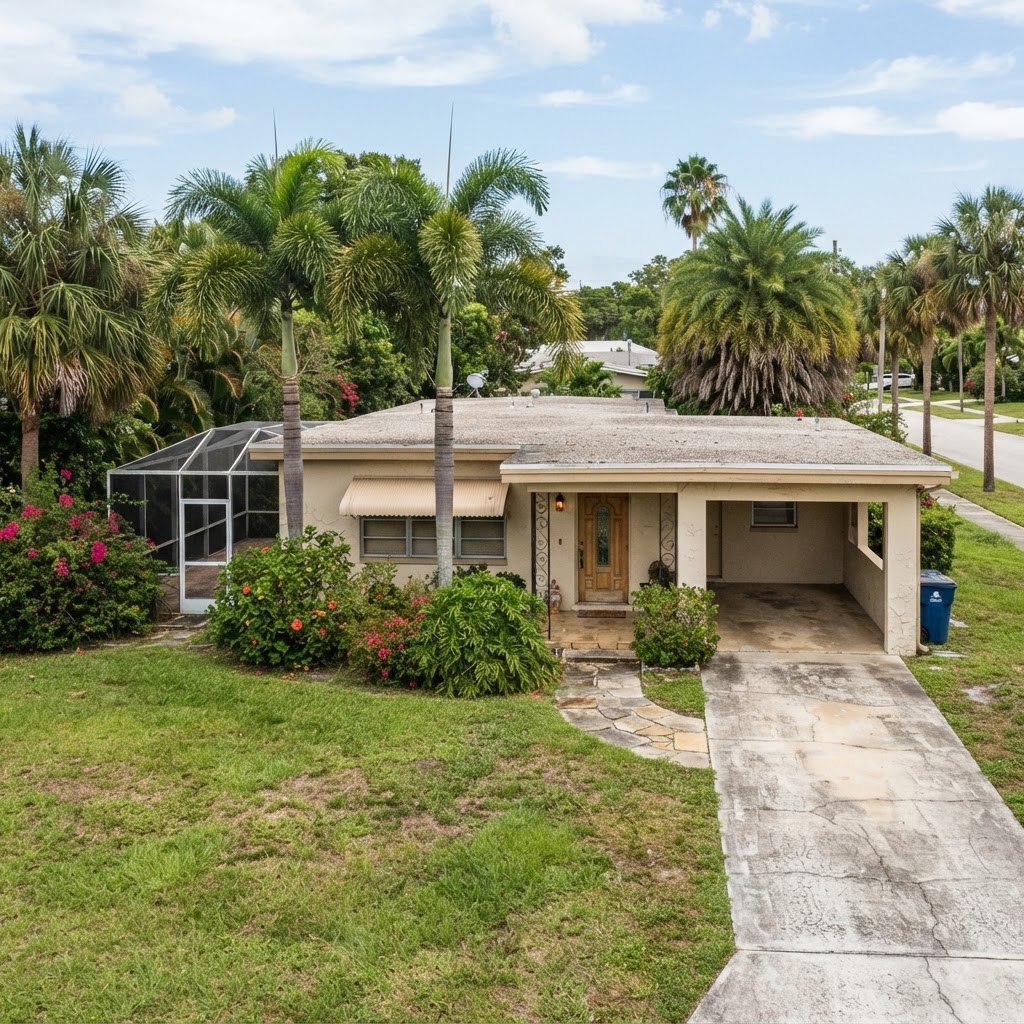
Aging Home Air Quality: Mold Prevention for Trafalgar's 1970s–80s Cape Coral Homes
Trafalgar's 1970s–80s homes face mold risks from original plumbing, aging HVAC, and flat-roof commercial neighbors. Get practical air quality and mold prevention tips.
Aging Home Air Quality: Mold Prevention for Trafalgar's 1970s–80s Cape Coral Homes
The Trafalgar area in central SE Cape Coral is one of the city's most established neighborhoods. Many homes here were built in the 1970s and 1980s — the original wave of Cape Coral residential development. These homes have character, mature landscaping, and central locations that newer developments can't match.
But they also have something else: 40–50 year old plumbing, original HVAC systems, and construction methods that predate modern moisture management. These aging systems make Trafalgar homes one of the highest-frequency zones for mold service calls in all of Cape Coral.
If you own a home in the Trafalgar area, understanding your property's age-related mold risks is essential for protecting your air quality and your investment.
Why 1970s–80s Cape Coral Homes Are Mold-Prone
1. Original Plumbing Systems
Homes built in the 1970s–80s in Trafalgar typically still have their original plumbing — or plumbing that's been partially updated but retains aging components. After 40+ years, plumbing failures become statistically likely:
- Galvanized steel supply lines (common in 1970s construction) corrode from the inside, developing pinhole leaks behind walls
- Cast iron drain lines crack and seep at joints, introducing moisture into slab foundations
- Polybutylene piping (used in some 1980s homes) degrades and fails unpredictably
- Slab leaks — when plumbing embedded in the concrete slab deteriorates, water leaks directly into and under the foundation
A slow slab leak can run for weeks or months before detection, saturating the subfloor and lower walls — creating ideal mold conditions that remain invisible until the colony is extensive.
2. Aging HVAC Systems
The HVAC systems in Trafalgar's older homes are frequently past their useful life. Even systems that have been replaced may have ductwork that's 20+ years old. Our inspections show that HVAC systems over 10 years old show mold colonization in 60% of inspected units — and in Trafalgar's 1970s–80s homes, that percentage climbs even higher.
Aging HVAC systems contribute to mold and air quality problems through:
- Dirty, mold-colonized ductwork — decades of dust and moisture create ideal mold habitat inside ducts
- Inefficient dehumidification — older AC units struggle to pull humidity below 55%, allowing mold-friendly conditions
- Coil contamination — evaporator coils in aging units often harbor visible mold growth
- Inadequate filtration — older systems may not accommodate modern MERV 11–13 filters
3. Flat-Roof Commercial Neighbors
Trafalgar's mix of residential and light commercial properties means many homes border flat-roof commercial buildings. Flat roofs are notorious for ponding water — standing water that doesn't drain properly and eventually seeps through the roofing membrane.
When a neighboring commercial building has roof moisture problems, that moisture doesn't stay contained. It migrates through shared walls, foundation soil, and even through the air via HVAC intake. If you live next to a commercial property in Trafalgar and notice musty smells or moisture issues that you can't trace to your own home, your neighbor's building may be the source.
4. Aging Municipal Infrastructure
Trafalgar sits in central Cape Coral, where some of the city's original municipal water infrastructure is still in service. Aging water mains and service lines increase the probability of underground leaks that saturate soil around foundations. While these are the city's responsibility, the moisture they create affects your home.
The Air Quality Impact of Aging Home Mold
Mold in a 40-year-old home doesn't just look bad — it significantly impacts indoor air quality, particularly for vulnerable family members:
- Long-term spore exposure — mold that's been growing slowly for years produces a constant low-level spore load that sensitizes occupants over time
- Dust mite synergy — older homes with higher humidity support both mold and dust mite populations, compounding allergy symptoms
- Decades of accumulated contaminants — older ductwork, carpets, and building materials trap decades of allergens, mold spores, and dust that get re-suspended with each HVAC cycle
- Asbestos-era materials — homes from the 1970s may contain asbestos in floor tiles, popcorn ceilings, or ductwork insulation. Any disturbance — including mold remediation — must account for asbestos protocols
If anyone in your household experiences chronic allergies, asthma flare-ups, sinus infections, or fatigue that seems connected to being at home, an air quality assessment is warranted.
7 Mold Prevention Steps for Trafalgar Homeowners
1. Schedule a Plumbing Assessment
Have a licensed plumber perform a comprehensive plumbing assessment focused on:
- Slab leak detection (using acoustic or thermal equipment)
- Supply line material identification (galvanized, polybutylene, copper, PEX)
- Drain line camera inspection for cracks and root intrusion
- Water heater condition and leak check
If your home still has galvanized or polybutylene supply lines, repiping is one of the best mold prevention investments you can make. These materials will fail — it's only a question of when.
2. Replace or Remediate Your HVAC System
If your HVAC system is more than 12–15 years old, replacement should be on your radar — not just for energy efficiency, but for mold prevention. A modern high-efficiency system with variable-speed blower and integrated dehumidification dramatically reduces mold risk.
If replacement isn't in the budget yet:
- Have ductwork professionally cleaned and treated with an EPA-registered antimicrobial
- Replace air filters with MERV 11–13 rated filters monthly during humid season
- Install a UV-C light system at the evaporator coil to kill mold and bacteria
- Have the condensate drain line cleared annually to prevent overflow
3. Install Whole-Home Dehumidification
Older homes in Trafalgar often have inadequate dehumidification. Even a functioning AC system may not pull humidity below 55% on humid Cape Coral days. A whole-home dehumidifier integrated with your HVAC system keeps humidity in the 45–50% range where mold cannot grow.
4. Address Foundation and Slab Moisture
1970s–80s Cape Coral homes frequently have moisture wicking up through the concrete slab — especially homes with original flooring (tile, linoleum) acting as a vapor barrier that traps moisture beneath. Signs include:
- Loose or lifting floor tiles
- Musty smells at floor level
- Efflorescence (white mineral deposits) on concrete or block walls
- High humidity readings near the floor vs. ceiling
Solutions range from applying a concrete moisture sealer to installing a subfloor vapor barrier during flooring replacement. A professional moisture assessment can identify the right approach for your home.
5. Monitor for Commercial Neighbor Issues
If your Trafalgar home borders a commercial property:
- Pay attention to musty smells that seem to originate from the shared wall direction
- Check for moisture or staining on the wall closest to the commercial building
- Note if symptoms worsen after heavy rain (suggesting roof drainage issues next door)
- Don't hesitate to talk to the business owner — they may be unaware of a roof leak
If you suspect moisture migration from a neighboring property, a professional inspection with moisture mapping can confirm the source and extent.
6. Test Indoor Air Quality
A professional air quality test is especially valuable for older Trafalgar homes. It establishes:
- Total mold spore counts (indoor vs. outdoor)
- Specific mold species — including Stachybotrys (black mold), Aspergillus, and Penicillium
- VOC levels — including potential off-gassing from older building materials
- Dust and particulate levels
- Humidity and temperature mapping by room
This information guides targeted remediation rather than guesswork.
7. Be Aware of Asbestos and Lead
Homes built before 1980 may contain asbestos in floor tiles, ceiling texture, ductwork insulation, and siding. Homes built before 1978 may have lead-based paint. Any mold remediation that involves demolition or material removal in these homes must include:
- Pre-remediation asbestos testing of suspected materials
- Proper containment and disposal protocols if asbestos is present
- Lead-safe work practices if lead paint is identified
911 Mold Medic is trained and equipped to handle mold remediation in homes with asbestos and lead concerns — never attempt DIY removal of these materials.
Trafalgar's Advantage: Fast Response
One benefit of living in the Trafalgar area is central location. When you need emergency mold or water damage response, we can typically reach Trafalgar addresses in under 35 minutes. That speed matters — every hour of delay after water intrusion increases mold risk.
If you experience a plumbing failure, roof leak, or any water intrusion event in your Trafalgar home, call (844) 393-2902 immediately. Our 24/7 emergency response includes water extraction, structural drying, and mold prevention treatment to stop mold before it starts.
Protecting Your Trafalgar Home's Air Quality
Trafalgar's established homes have stood for decades — with the right care, they'll stand for decades more. But that care must account for the realities of aging systems, aging infrastructure, and Cape Coral's relentless humidity.
Whether you need a comprehensive air quality assessment, HVAC mold inspection, plumbing-related mold remediation, or emergency water damage response, 911 Mold Medic has been serving Trafalgar and central SE Cape Coral since 2015. Call (844) 393-2902 to schedule your inspection today.
Related Services
Need Professional Mold Removal in Cape Coral?
Our IICRC certified mold remediation experts are available 24/7 for inspections, removal, and prevention throughout Cape Coral, Fort Myers, and all of Lee County.

