Mold Prevention
AC Mold in Cape Coral: Summer HVAC Risks Explained
Is your AC system harboring hidden mold? Learn why Southwest Florida’s humid summers create the perfect environment for HVAC mold growth in your home.
August 6, 20263 min readBy 911 Mold Medic Team
mold remediationhvac moldcape coral moldindoor air qualitysummer home maintenancelee county healthmold prevention
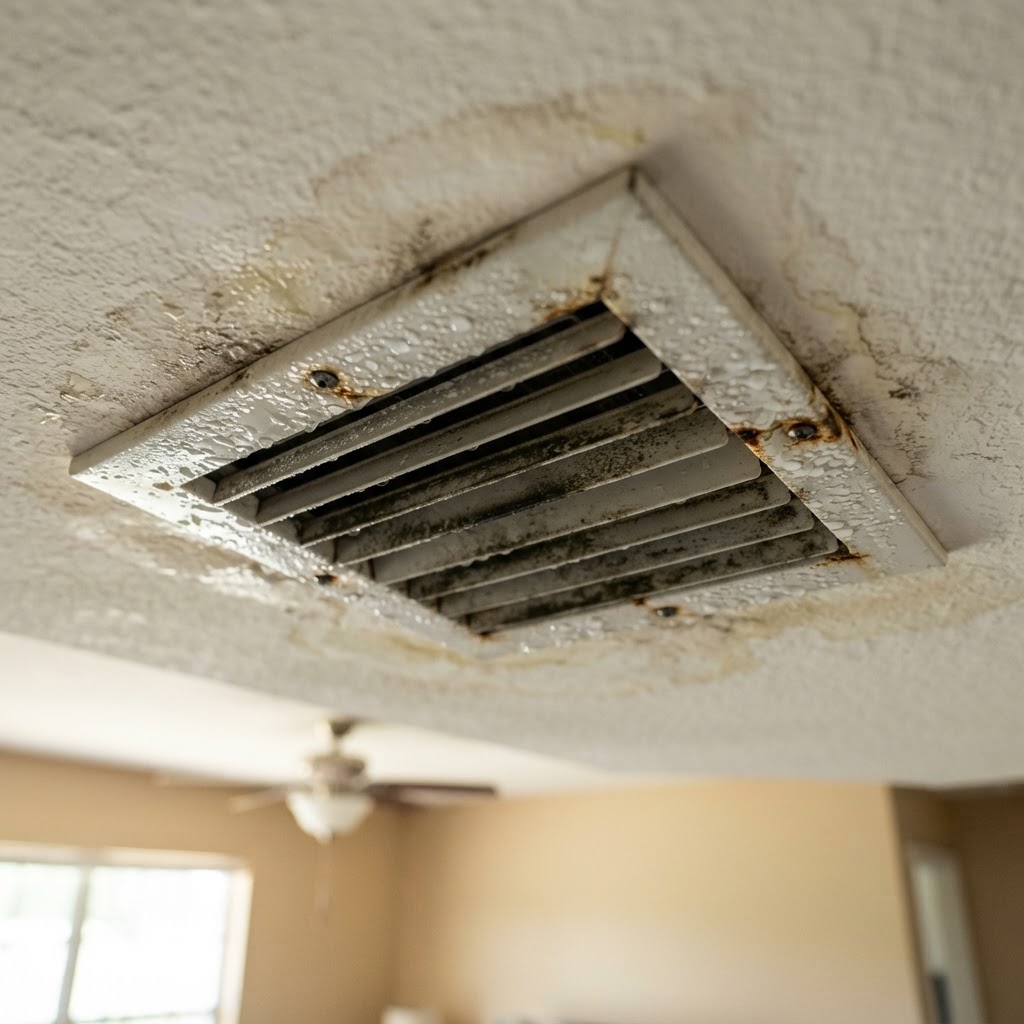
Why Summer Is Prime Time for HVAC Mold Growth in Southwest Florida As we navigate through August 2026, the peak of hurricane season, homeowners across Cape Coral, Fort Myers, and Naples are dealing with relentless humidity. While our air conditioning units work tirelessly to keep our homes comfortable, they are also becoming a breeding ground for mold. Understanding why your HVAC system is susceptible to mold growth is the first step in protecting your indoor air quality. ## The Science Behind AC Mold Growth Air conditioning systems work by pulling warm, moist air from your home and passing it over cold evaporator coils. This process naturally creates condensation. In a perfect world, this moisture drains away through your condensate line. However, in our high-humidity environment here in Lee County, that moisture often lingers. When you combine this excess moisture with the dark, enclosed environment of an air handler and the dust particles that inevitably settle on components, you create the ideal habitat for mold spores to thrive. ## Why Summer Increases the Risk August is notorious for high dew points and frequent afternoon thunderstorms. When the external humidity is consistently high, your AC system is forced to run longer cycles to dehumidify your home. This increased workload leads to: * Clogged Condensate Lines: Algae and biological growth can block drain lines, causing water to back up into the unit. * Dirty Evaporator Coils: Dust buildup traps moisture, allowing mold colonies to establish themselves. * Ductwork Condensation: If your ducts are not properly insulated or if they are leaking, the temperature differential creates moisture on the interior surfaces, leading to mold buildup inside your vents. ## Protecting Your Home During Peak Hurricane Season With active tropical weather patterns in the Atlantic, moisture intrusion is a major concern. Even if you don't have direct flooding, the elevated ambient humidity can infiltrate poorly sealed homes. If you notice a musty odor when your AC kicks on, see visible dark spots near your vents, or experience sudden allergy symptoms, it is time to have your system inspected. Homeowners in Southwest Florida should: 1. Regularly replace high-quality HVAC filters. 2. Schedule professional maintenance to clean the evaporator coils and clear drain pans. 3. Monitor your indoor humidity levels—ideally keeping them between 40% and 50%. 4. Ensure your condensate line is flowing freely and free of debris. ## When to Call a Professional While basic maintenance is vital, deep-seated mold in your HVAC system often requires specialized equipment and antimicrobial treatment. Attempting to scrub mold off coils or inside ductwork with household cleaners can be ineffective and potentially spread spores throughout your living space. At 911 Mold Medic, we provide IICRC-certified expertise for residents in Cape Coral, Fort Myers, and across Naples. Our team uses professional-grade remediation techniques to ensure your air quality is restored safely and thoroughly. Don't let a small mold issue turn into a major health concern for your family. If you suspect AC mold growth in your home, contact 911 Mold Medic today at (844) 393-2902 for a professional assessment.
Related Services
Need Professional Mold Removal in Cape Coral?
Our IICRC certified mold remediation experts are available 24/7 for inspections, removal, and prevention throughout Cape Coral, Fort Myers, and all of Lee County.

