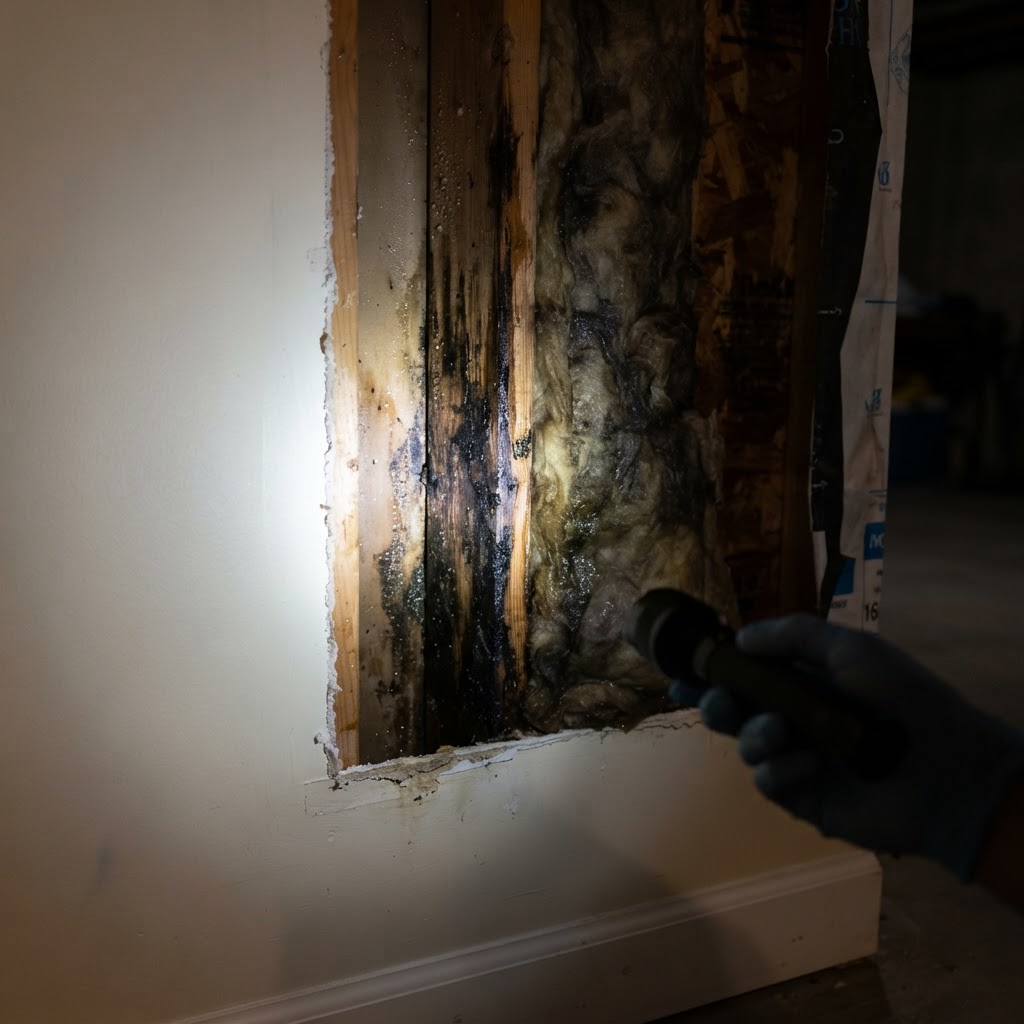
7 Hidden Signs of Mold Behind Walls in Cape Coral Homes
Think your Cape Coral home is mold-free? Discover 7 hidden warning signs of mold growing behind your walls during the peak of the Florida hurricane season.
Mold Behind the Walls: 7 Hidden Signs Your Cape Coral Home Has a Problem You Can't See
As we navigate the peak of the 2026 Atlantic hurricane season here in Southwest Florida, the humidity levels across Cape Coral, Fort Myers, and Naples are pushing toward their annual limits. While many homeowners keep a close eye on their ceilings and floors, a silent threat often lurks where the eye cannot see: inside the wall cavities. Mold can thrive in the dark, damp spaces behind your drywall long before it becomes visible on the surface.
At 911 Mold Medic, we understand the unique challenges faced by residents in Lee County. With high humidity and frequent summer storms, your home’s structural integrity depends on early detection. Here are seven hidden signs that you may have a mold infestation hiding behind your walls.
1. Persistent Musty Odors
If you walk into a room and notice a persistent, earthy, or musty smell that doesn't go away with ventilation or cleaning, mold is likely growing nearby. Mold releases microbial volatile organic compounds (mVOCs), which create that distinct, unpleasant aroma even if the colony is completely hidden.
2. Unexpected Allergic Reactions
Do you or your family members find yourselves sneezing, coughing, or experiencing itchy eyes only while at home? Even if you don't see visible growth, the spores circulating from behind the walls through electrical outlets or baseboards can trigger significant respiratory irritation.
3. Peeling or Bubbling Paint and Wallpaper
When mold grows behind drywall, the moisture trapped within the wall begins to compromise the finish on the outside. If you notice your paint bubbling, cracking, or wallpaper peeling away from the wall without an obvious cause like a roof leak, moisture trapped in the backing material is a prime suspect.
4. Visible Wall Staining
Discoloration, such as dark spots or patches that look like water stains, often indicates that moisture has been present for a significant amount of time. In our humid climate, these spots are breeding grounds for mold that has already permeated the drywall.
5. Warped or Softened Drywall
If your wall feels slightly soft to the touch or shows signs of bowing, it is a major red flag. Moisture buildup causes the drywall to lose its structural integrity, creating the perfect environment for deep-seated mold colonies.
6. High Humidity Levels
If your home’s indoor humidity consistently stays above 60%, even with your AC running, you are at a higher risk. Condensation can form inside wall cavities where warm, humid air meets cooler internal structural components.
7. Recent Plumbing or Roof Leaks
If your home was affected by a heavy storm or a minor plumbing issue in the last few months, there is a high probability of trapped moisture. Even if the visible water dried, the hidden dampness is likely fueling mold growth behind the partition.
Why Professional Assessment Matters
Attempting to treat mold on your own can often result in cross-contamination, spreading spores to other areas of your home. In Southwest Florida, professional remediation is the safest route to ensure air quality and structural safety. As IICRC-certified specialists, we utilize advanced moisture mapping and thermal imaging to identify hidden issues without unnecessary destruction.
Take Action for Your Home’s Health
Don't wait for visible mold to compromise your health or your home's value. If you suspect hidden mold, contact 911 Mold Medic today. We are the trusted experts for Cape Coral, Fort Myers, and throughout Lee County. Contact us at (844) 393-2902 to schedule your professional inspection and protect your family today.
Related Services
Need Professional Mold Removal in Cape Coral?
Our IICRC certified mold remediation experts are available 24/7 for inspections, removal, and prevention throughout Cape Coral, Fort Myers, and all of Lee County.

